Constant-velocity coupling · SD55–SD600
The vibration isn't your prop. It's your alignment.
Flexible engine mounts move. Hulls flex. Shafts don't care about either. SigmaDrive's ball-race constant-velocity coupling absorbs 3° of misalignment in any direction — 6° in total — while transmitting full thrust. Silence, from the source.
Why couplings beat chasing alignment
Even a perfectly aligned engine doesn't stay aligned once it's running: soft mounts flex, propeller thrust shifts the shaft line, and the hull itself works in a seaway. Every degree of misalignment becomes vibration, every vibration becomes noise through the hull — plus accelerated wear in seals, bearings and gearbox.
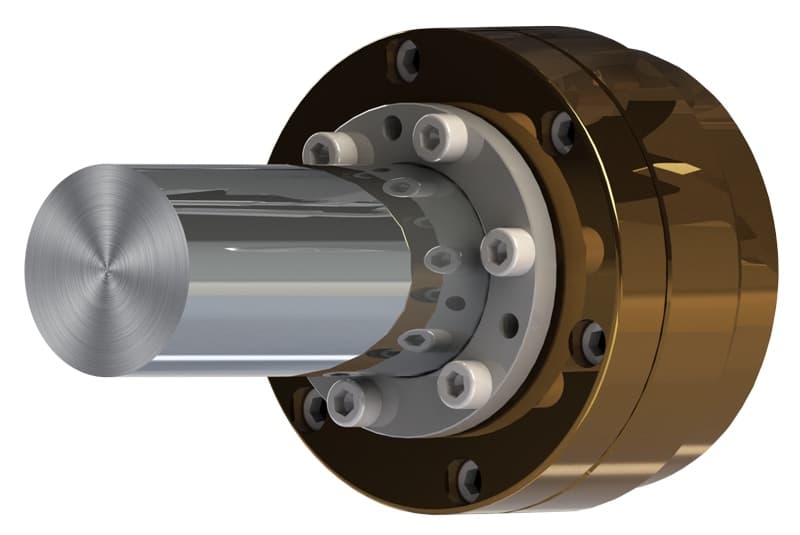
SigmaDrive's hardened ball races let the shaft run at a true constant velocity through up to 3° of angular offset in any direction, with thrust carried through the coupling body. The shaft rotates freely and true; the engine's movements stay on the engine. Typical results: noise and vibration down around 50%, seals and bearings that stay aligned under load — and no more precision alignment sessions, at installation or ever after. There is nothing to maintain.
It's also the honest first check when someone asks for a new propeller "because of vibration" — sometimes the prop is fine and the driveline isn't. We'll tell you which.
SigmaDrive selector
Shaft size, engine power and your gearbox — checked against 250+ documented gearbox flanges. Sixty seconds.
The range
Six frames, 22–90 mm shafts, 550–6,000 Nm
Parallel, V-drive and tapered fits, with documented adaptor flanges for the gearboxes that need them. Beyond the SD range: DS intermediate shafts, the STS thrust system, and D-Sigma for jet and sterndrives.
| Model | Max torque | Shaft range | Flange Ø |
|---|---|---|---|
| SD55 | 550 Nm | 22–35 mm (1–1½″) | 4″ |
| SD100 | 1,000 Nm | 30–45 mm (1½–1¾″) | 5″ |
| SD150 | 1,500 Nm | 45–50 mm (1¾–2″) | 5″ |
| SD225 | 2,250 Nm | 50–60 mm (2–2¼″) | 5″ |
| SD300 | 3,000 Nm | 50–70 mm (2–2½″) | 5¾″ |
| SD600 | 6,000 Nm | 70–90 mm (tapered, keyway) | 7–8″ |
Engines to 1,300 hp as standard; custom units beyond. Sizing runs on the factory formula — torque = (kW ÷ rpm) × 9,680 × reduction ratio — then the selection is verified against your gearbox flange: the table behind the selector holds 250+ documented flanges from Baysan to ZF, with coupling kits for all marine transmissions. Fitted to everything from canal boats and workboats to military craft and PlanetSolar, the largest solar-powered vessel in the world.
The SigmaDrive torque ladder — SD55 to SD600
MeasuredShaft diameter picks the frame, computed torque confirms it — the selector above runs both checks, then verifies your gearbox flange.
| Model | Max torque | Shafts |
|---|---|---|
| SD55 | 550 Nm | 22–35 mm |
| SD100 | 1,000 Nm | 30–45 mm |
| SD150 | 1,500 Nm | 45–50 mm |
| SD225 | 2,250 Nm | 50–60 mm |
| SD300 | 3,000 Nm | 50–70 mm |
| SD600 | 6,000 Nm | 70–90 mm |
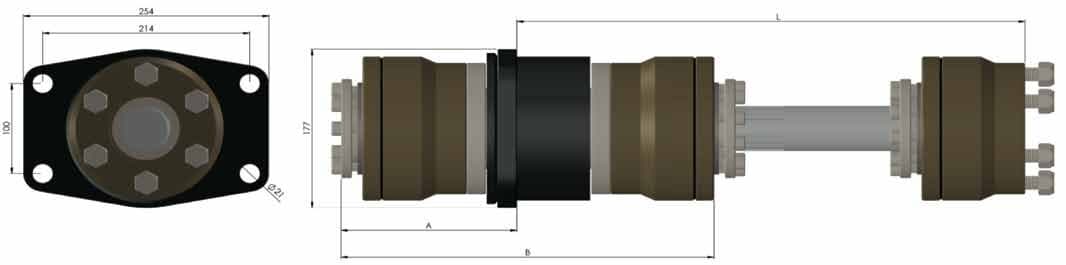
The technical drawing
Inside the coupling — no brochure required
Toggle Aligned against the 3° working angle to watch the double ball-race articulate, pick your SD model for its real dimensions, and click the numbered parts.
Interactive technical drawing · BA-SD-01
SigmaDrive — constant-velocity section
Gearbox flange
Bolts straight to the gearbox output — the selection table behind the selector holds 250+ documented flange patterns from Baysan to ZF, with adaptor kits where needed.
Product systems
Four systems, one principle
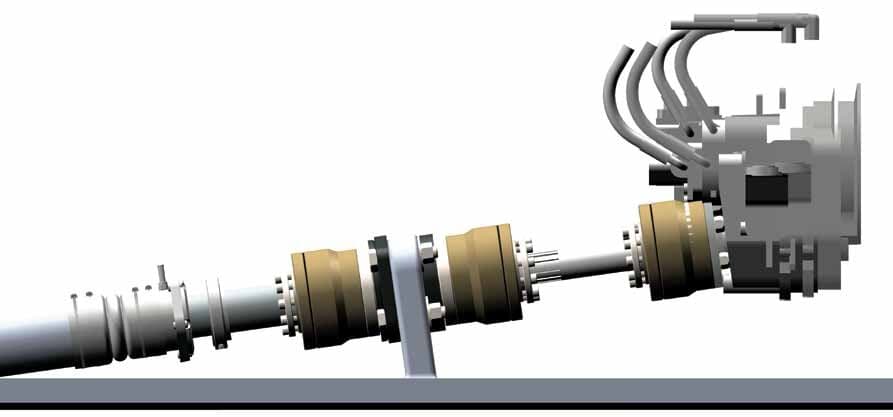
Straight from the engineering files — the SD unit on the shaft, the SDV for V-drives, the STS thrust system, and D-Sigma for jet and sterndrives.
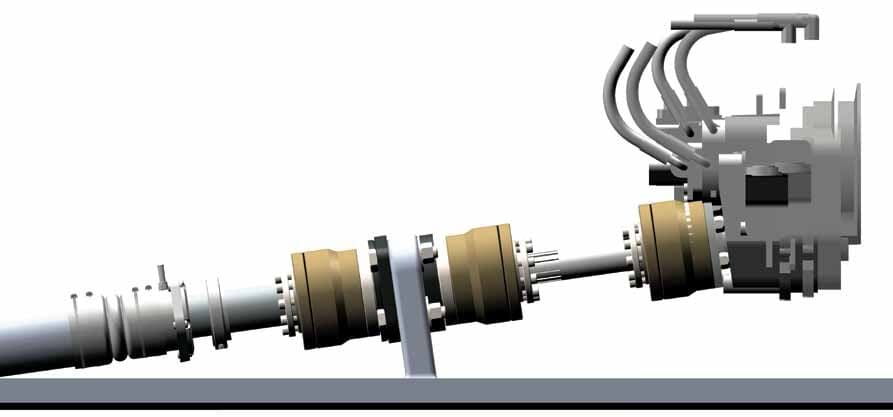
SD & SDV — standalone
Replaces the shaft coupling directly and resists propeller thrust. Fits parallel and tapered shafts (SD55–SD300, plus the tapered SD600) and every make of V-drive transmission (SDV55–SDV300).
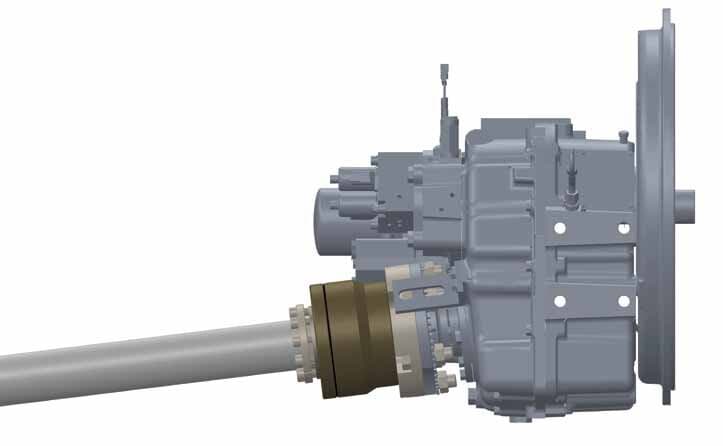
STS — Sigma Thrust System
Three SD joints — two in a thrust bearing, one at the transmission via an intermediate shaft — so propeller thrust never reaches the engine at all. STS550–STS3000; lets the engine sit wherever space allows.
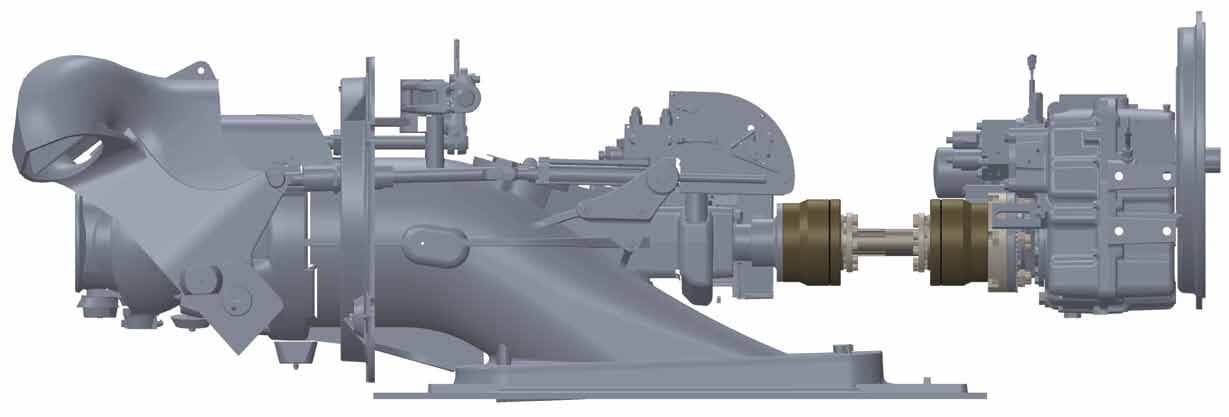
D-Sigma
The constant-velocity replacement for Cardan shafts on jet drives, sterndrives and pod installations — fits in line or at an angle. DS500–DS4000.
In service
Pilot boats to narrowboats to superyacht tenders
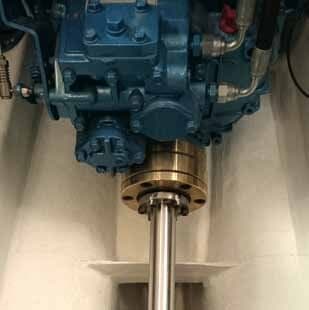
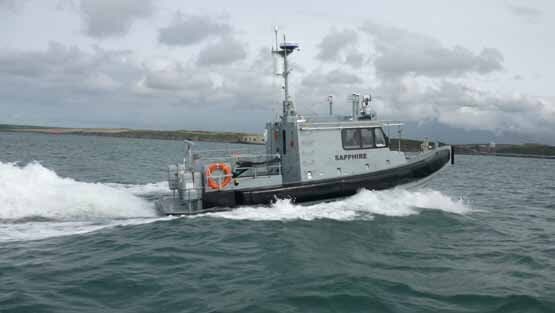
Anything with a shaft and an engine benefits — these installations are from the SigmaDrive programme's own files.
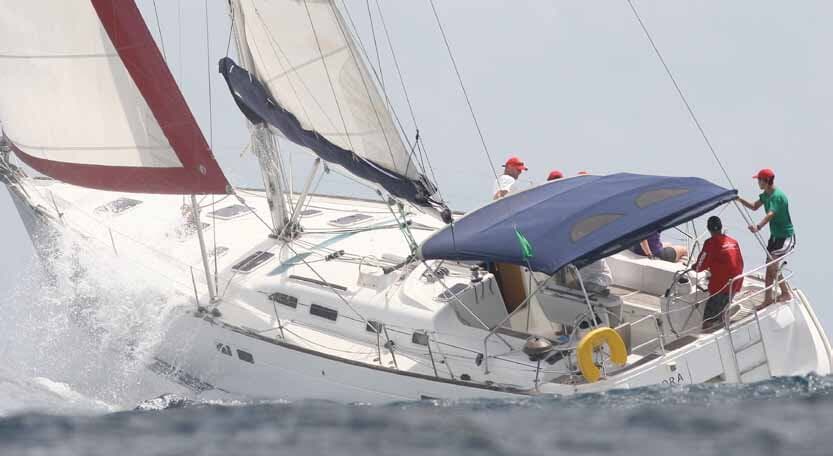
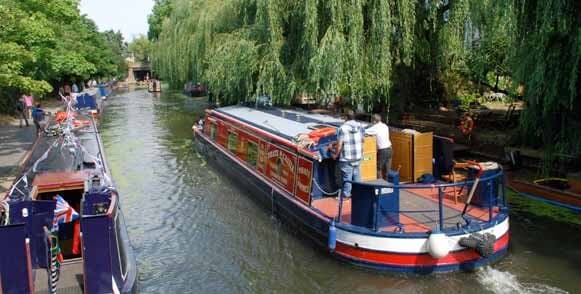
“We'd used CV joints for years but they corroded early. The stainless and aluminium-bronze SigmaDrives don't — and our clients are very happy.”
A Pan Oceanic 38 cutter, Mollymawk, carries one of the longest owner reports in the SigmaDrive file — an ocean-cruising refit documented bolt by bolt.
Questions owners ask
How do I know misalignment is my problem?
Classic signs: vibration that changes with RPM but not sea state, rumble through the hull at cruise, uneven cutlass-bearing wear, gearbox seals weeping, or a boat that's never been quite right since an engine remount. A straight-edge and feeler gauge on the coupling faces tells the story — or send us a video of the shaft at idle.
Does SigmaDrive replace engine mounts or alignment?
No — it makes good installations tolerant, not bad ones acceptable. It absorbs the residual angular misalignment that flexible mounts and settling hulls create dynamically (up to 3°), which shims and alignment sessions can never fully chase.
Which model fits my boat?
Shaft diameter picks the frame (SD55 to SD300 covers 22–70 mm shafts), power confirms it, and your gearbox flange determines direct-fit or adaptor. The selector on this page runs all three checks against the flange table.
Can it be fitted without pulling the engine?
Usually yes — it fits between the gearbox output flange and the shaft coupling, typically with no haul-out and no shaft modification. Most installations are a day's work; our Queenscliff workshop fits them, or ships with instructions to your yard. Once fitted there is nothing to maintain.
Chasing a vibration?
Run the selector above, or send a video of your shaft at idle — an engineer will tell you whether it's coupling, alignment, propeller or all three.