Retractable, replaceable anode system
Corrosion protection you can actually see working.
Anodes haven't changed much since Sir Humphry Davy invented them in 1824 — you bolt them on, haul out months later, and hope. IonGuard puts the anode on a plunger through a dedicated skin fitting: replace it afloat, retract it racing, monitor it any day you like.
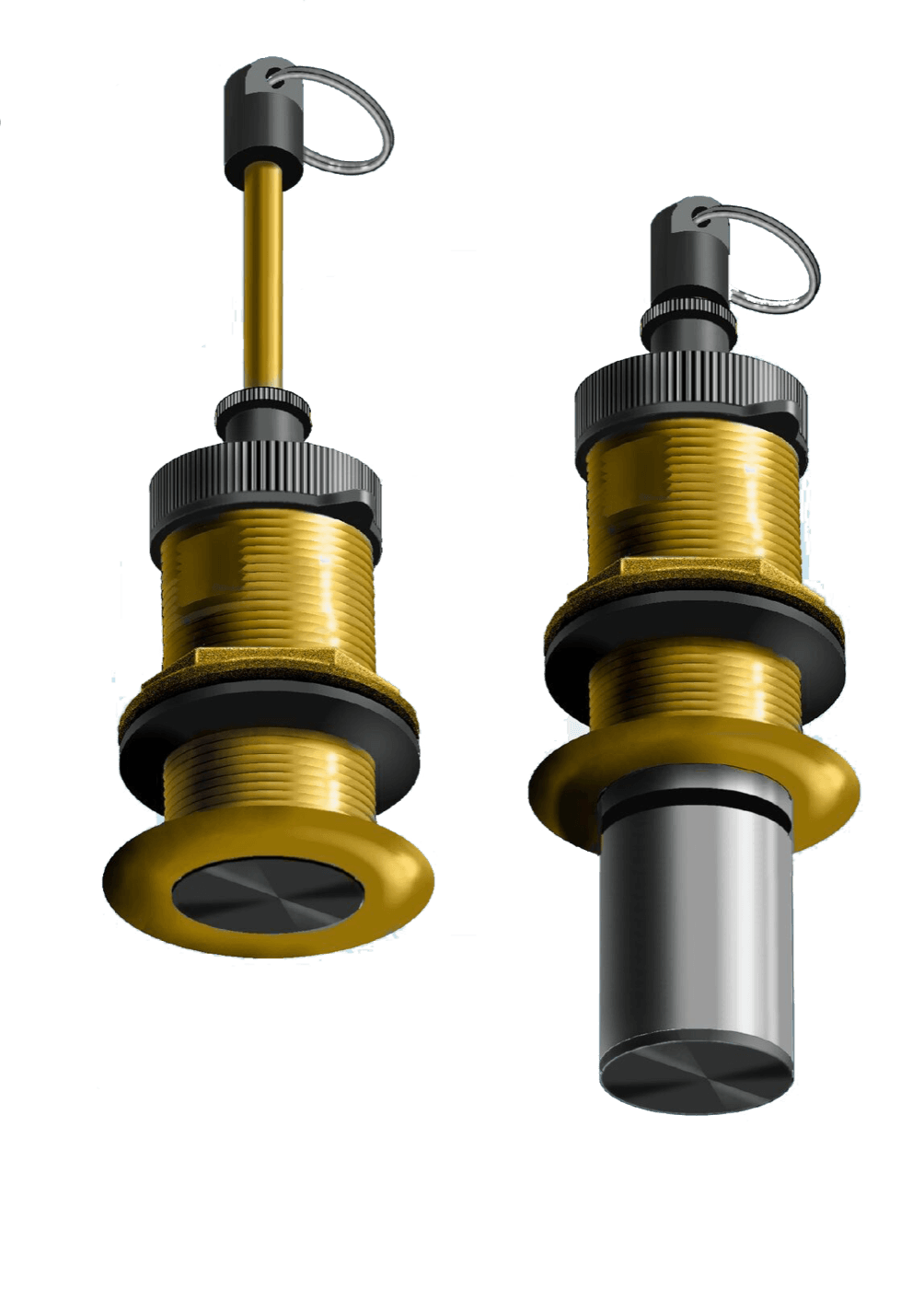
Why owners fit one
Six jobs one small fitting does
Replace the anode while afloat
Unscrew the old anode, screw on the new — from inside the boat, with the vessel in the water. No haul-out, no diver, no waiting for the yard.
Retract it when racing
A simple plunger withdraws the anode from the water in seconds. Every second counts, and the cleanest bottom wins.
Monitor corrosion without slipping
Check the anode's rate of erosion whenever you like — the honest signal for how hard your whole protection system is working, without paying for a lift to find out.
Salt or fresh, in seconds
Different waters want different anode alloys — a fact many owners discover too late. IonGuard's anode swaps in seconds when your cruising ground changes.
Any hull, any vessel
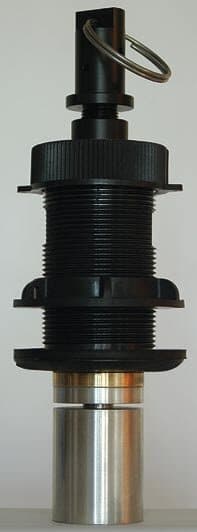
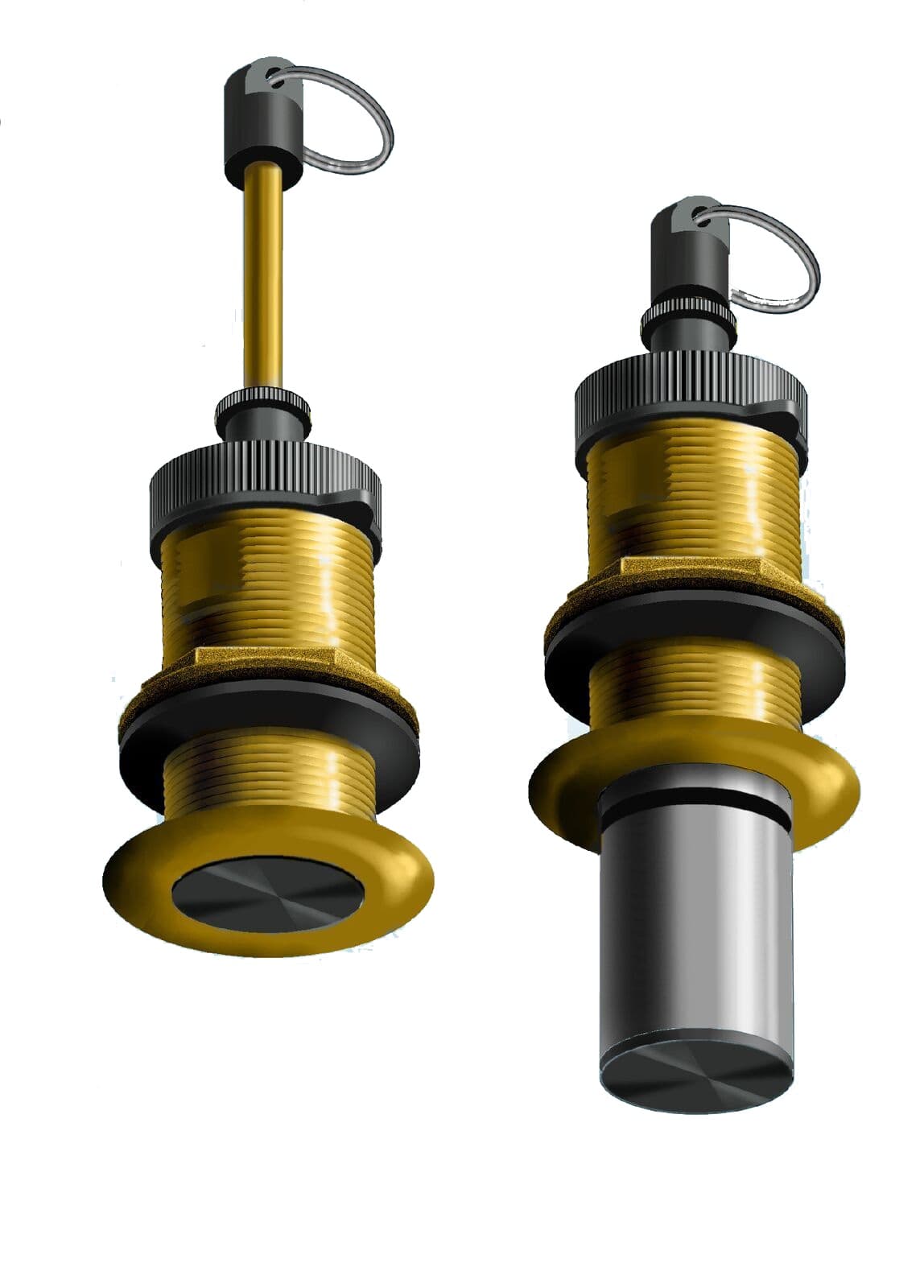
Skin fittings and anodes in stainless steel, plastic or bronze suit any construction material — power or sail, from trailer boats to superyachts.
Sole protection or extra insurance
Small boats can be protected by IonGuard alone; larger vessels use it alongside existing anodes — and as the monitoring window for all of them.
The expensive way to check an anode
Haul the boat, or hire a diver — that's the whole menu, and both cost more than the anode. So most owners guess, and the damage caused when the guess is wrong is exactly the expensive, occasionally dangerous kind: pink porous propellers, wasted shafts, seized saildrive legs.
IonGuard ends the guessing. The anode rides on a plunger through its own skin fitting: push it out to protect, pull it in to inspect or race, unscrew it to replace — all with the boat in the water. For smaller boats it can be the whole protection system; for larger ones it's the corrosion gauge that tells you what the rest of your anodes are going through.
It pairs naturally with the Queenscliff workshop's corrosion-testing service. We've seen what stray current does when nobody is watching — one local boat lost a bow thruster to it, a five-figure repair that a monitored anode would have flagged months earlier.
The technical drawing
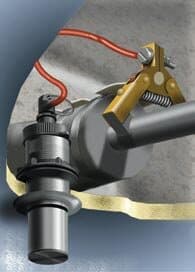
Through the hull, in section
Deploy, retract and replace the anode — the whole service story, drawn working, with every part explained.
Interactive technical drawing · BA-IG-01
IonGuard — the serviceable anode, in section
Anode cartridge
The sacrificial element screws on and off the plunger tip — swap zinc for aluminium in seconds when your cruising ground changes. Reading its erosion rate is the honest gauge of the whole boat's protection.
Questions owners ask
What does IonGuard actually protect against?
Galvanic and stray-current corrosion — the electro-chemical attack that quietly eats propellers, shafts, saildrive legs and skin fittings when dissimilar metals sit in salt water. The sacrificial anode corrodes so your expensive metal doesn't; IonGuard makes that anode serviceable, monitorable and retractable.
How is this different from ordinary anodes?
Ordinary sacrificial anodes work — the problem is you can't see them, can't service them afloat, and only learn their condition at haul-out. IonGuard mounts the anode through a dedicated skin fitting with a plunger: inspect, replace or retract from inside the boat, any day of the season.
Does it replace my existing anodes?
On smaller vessels it can provide total protection on its own. On larger boats it complements shaft, prop and hull anodes — and because you can watch its erosion rate, it tells you how hard all of them are working. Patents pending on the system.
Which version does my boat need?
Skin fittings come in stainless steel, plastic and bronze to match your hull material and operating waters. Tell us the boat and where it lives — the workshop will spec the right combination.
Add IonGuard to your boat
Tell us the hull material and where the boat lives — the workshop will spec the fitting and anode, and it installs alongside any propeller or driveline work.